Why Perfect Isn't the Goal
Skip the Jargon and Deliver Results
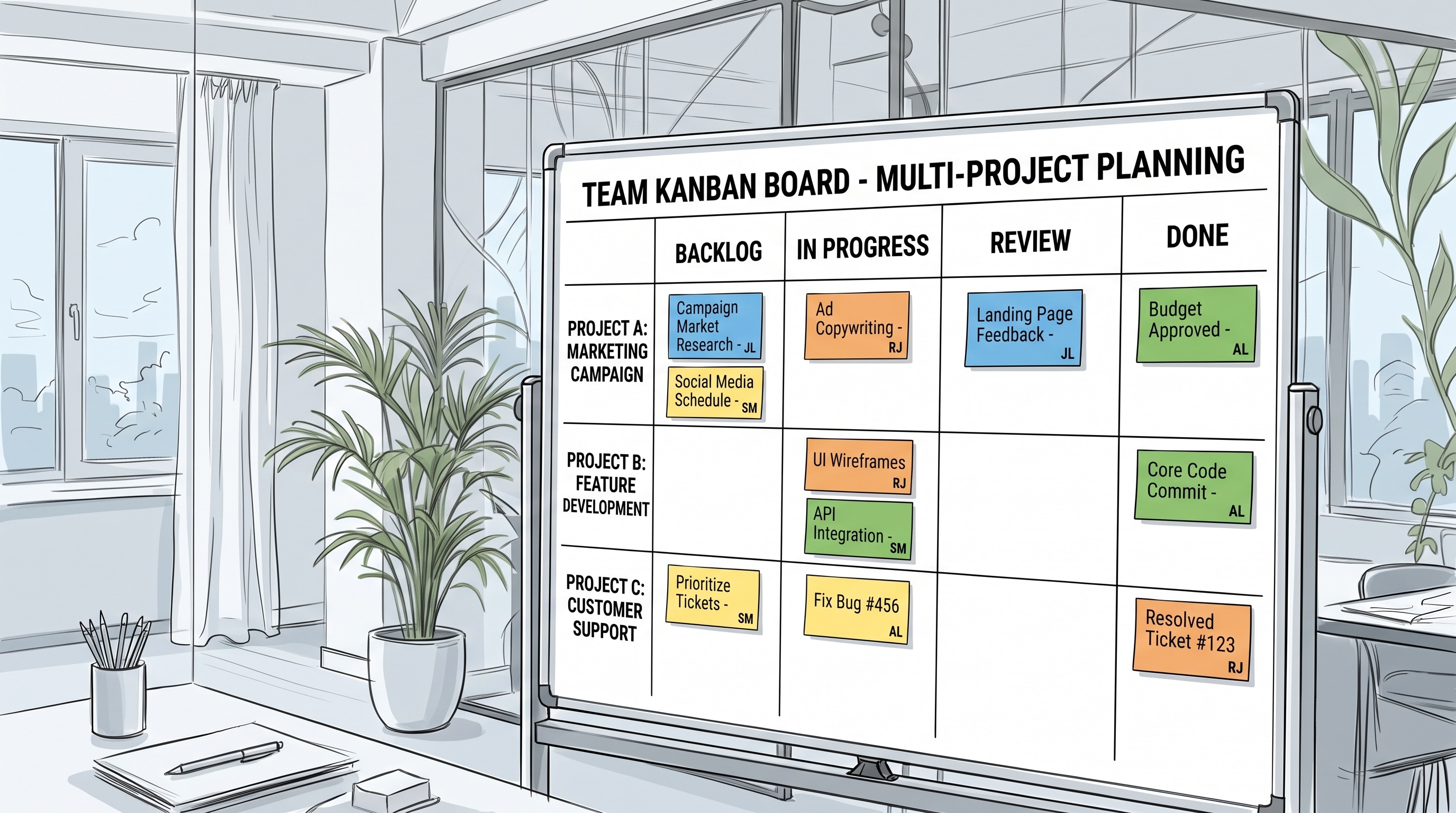
When teams talk about "Agile" or "Scrum," it’s easy to get caught up in textbook jargon-ceremonies, velocity charts, and rigid frameworks. To an outsider, it can sometimes feel like unnecessary overhead.
But stripped down to its core, Agile isn't about following a rulebook. It's simply a practical philosophy for getting work done with less stress, better clarity, and predictable results.
We don't need to adopt 100% of Scrum rules on Day 1 to reap the benefits. Perfection isn't the goal-progress is.
1. Why Break Work Into Weekly "Completable" Units?
When projects are defined as massive, months-long initiatives, progress often feels invisible. Tasks sit at "80% done" for weeks, context-switching slows everyone down, and unexpected blockers aren't discovered until right before a deadline.
Breaking work into weekly, bite-sized tasks changes everything:
Momentum & Focus: Finishing 3 concrete sub-tasks in a week creates a psychological sense of accomplishment and keeps the team focused on finishing, not just starting.
Early Risk Detection: If a weekly task gets stuck, we know within days-not months. This allows us to adjust quickly before a minor bump becomes a major crisis.
Clarity over Estimation: Estimating a 2-day task is easy. Estimating a 2-month project is mostly guesswork. Weekly tasks replace guesswork with accuracy.
2. Dynamic Alignment vs. Static Documentation (Sheets & Docs)
Spreadsheets and Word documents are great for historical archives, but they make terrible daily navigation systems for active execution.
Feature | Static Docs / Spreadsheets | Daily Standups & Visual Boards |
Real-time Status | Outdated as soon as they are saved | Updated continuously in real time |
Blocker Discovery | Relies on someone typing an update | Surfaces instantly during 10-min huddles |
Team Interaction | Passive, asynchronous reading | Active, quick team collaboration |
Psychological Safety | Easy for issues to hide in a cell | Encourages quick, joint problem-solving |
A 10-minute daily sync isn't another long meeting-it’s a quick huddle to answer three simple questions: What did we complete, what are we doing next, and is anything blocking us? It replaces endless email threads and stale tracking sheets with real conversation.
3. "We Don't Follow 100% Scrum-And That’s OK!"
One of the biggest misconceptions in project management is that if we can't implement full Scrum with all its roles and rules, we shouldn't bother at all.
Pragmatic Mindset: You don't need to do full Scrum to benefit from Agile habits.
If our team only adopts two habits:
1. Breaking large initiatives into 1-week deliverable chunks.
2. Holding a 10-minute daily check-in to clear blockers.
...we have already unlocked 80% of the value. Agile is a spectrum. Start with what works, adapt to our team's real-world constraints, and evolve organically.
4. How Agile Helps Leaders Manage Teams More Effectively
For team leaders, managing through an Agile mindset isn't about micromanagement; it's about removing friction:
Predictable Delivery: Instead of hoping a big feature will land on time, leaders see steady, weekly proof of progress.
Empowered Teams: Leaders stop dictating how work gets done and focus on setting clear priorities, trusting the team to pull tasks and execute.
Data over Gut Feeling: Seeing completed weekly tasks provides realistic data on team capacity, preventing burnout and unrealistic promises to stakeholders.
The Bottom Line for Everyone
Adopting Agile practices isn't about passing a Scrum inspection or enforcing rigid bureaucracy. It is about creating an environment where:
Engineers have clear goals and fewer interruptions.
Leaders have visibility without nagging for updates.
The Organization gets predictable, high-quality results faster.
Even if we start small with just a weekly task list and a daily chat, every step away from static tracking is a step toward a happier, higher-performing team.